
-
 Wendy Reyes/KALWHow can a lawyer’s background – or their attention to their clients’ culture – impact their ability to serve?
 -
 Mary Catherine O'ConnorEach week, volunteers converge at Manny’s, a cafe and event space in SF’s Mission District, to clean up the neighborhood’s litter-clogged streets.


-
-
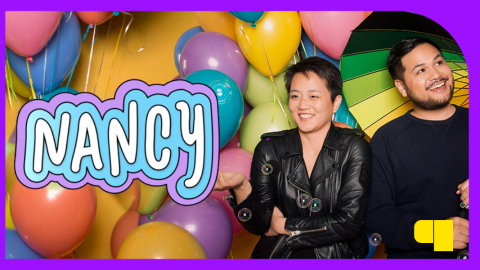 We finish airing a month of stories from Nancy, a groundbreaking LGBTQ podcast from WNYC that ended in 2020.


FEATURED SHOWS


Bay Poets
Carlos Quinteros III is a poet with an occasional stutter, stumbling through language, living in San Francisco/the ancestral homeland of the Ramaytush Ohlone People. He is the managing editor and one of the poetry editors for The Ana, a literary magazine based in the Bay area.


MORE STORIES FROM KALW
-
 Protests and encampments against the war in Gaza are continuing to grow on college campuses across the US, despite hundreds of arrests and crackdowns.
 -

-
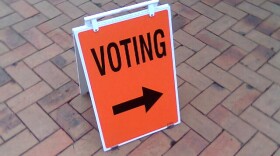 A previously unsuccessful effort to lower the voting age to 16 in the city of San Francisco is once again underway -- led mainly by youth who aim to increase civic engagement and representation.
 -
 Supporters of the effort to recall Alameda County District Attorney Pamela Price are taking every opportunity to pressure the county Board of Supervisors to call a special election as soon as possible.
 -
 The third of three investigative stories airing this week from CIVIC, a podcast produced by SF Public Press.
 -
 On the next edition of Your Call, we're gearing up for Independent Bookstore Day, the biggest bookstore celebration of the year.
 -
 CrosscurrentsToday, the Oakland based Kenneth Rainin Foundation announced this year’s group of fellows. One of them is Dr. Ayodele “WordSlanger” Nzinga. Today, we bring you our piece from 2021 about her appointment as the first Poet Laureate of Oakland, a title she still holds today.
 -
 CrosscurrentsBased on the belief that literature can heal, Josiah Luis Alderete and his partners opened a new bookstore in the heart of the Mission District this past November. They call it Medicine for Nightmares Bookstore and Gallery.
 -

-
 The peregrine falcons nested atop UC Berkeley’s Campanile Tower hatched their fourth and final egg of the season on Wednesday.


