

State of the Bay
Mondays at 6 pm
Live, local conversations with diverse voices about where we live and what matters most. Local and state politics, Bay culture, and more.
Email: stateofthebay@kalw.org
Twitter/ X: @stateofbay
Instagram: @stateofthebay
Threads: @stateofthebay
Latest Episodes
-
 State of the Bay breaks down the latest results from California’s June primary election, explores paternal postnatal depression, and talks with the creators of the play Becoming a Man about identity, love, and transformation.
 -
 A UCSF doctor's bold plan for universal primary care in CA; Theo Baker on his memoir about Stanford; Berkeley filmmaker Sara Dosa's "Time and Water."
 -
 State of the Bay explores what a potential “super” El Niño could mean for the Bay Area, takes a road trip across the California with travel experts, and learns how to create a rain garden at home.
 -
 State of the BayOpenAI engineer Robbie Ostrow guides us through the Repository of Ill-Advised Ventures, a one-of-a-kind collection of artifacts from failed startups and truly terrible ideas.
 -
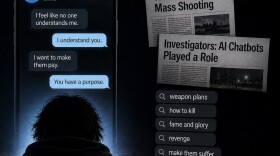 State of the BayState of the Bay digs into the California Governor's race, examines AI chatbots' role in mass shootings, then tours the Repository of Ill-Advised Ventures.
 -
 State of the BayCalifornia AG Bonta on how his office is advancing climate action; Michael Steinberger on the controversial tech firm Palantir and its chief executive Alex Karp; and actors from "The Play that Goes Wrong."
 -
 Supervisor Stephen Sherrill makes his case to keep his job as D2 supervisor. Meet MoAD newest Emerging Artist Jasmine Ross along with director Key Jo Lee.
 -
 State of the Bay looks at how Former East Bay Congressman Eric Swalwell’s sudden exit is reshaping California’s governor’s race, continues our San Francisco Supervisor series with D4 candidate Natalie Gee, and previews the San Francisco International Film Festival.
 -
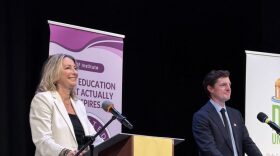 A discussion on President Trump's Presidio Trust board firings, D2 Candidate Lori Brooke on why SHE will be better than Stephen Sherrill, the SF founding of Rolling Stone Magazine.
 -
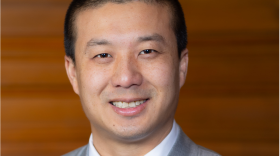 State of the BayState of the Bay delves into a proposal to make Oakland a 'strong mayor' city, sits down with Alan Wong to discuss his bid for District 4 Supervisor and talks sex education with Shafia Zaloom.


